DevOps and Infrastructure
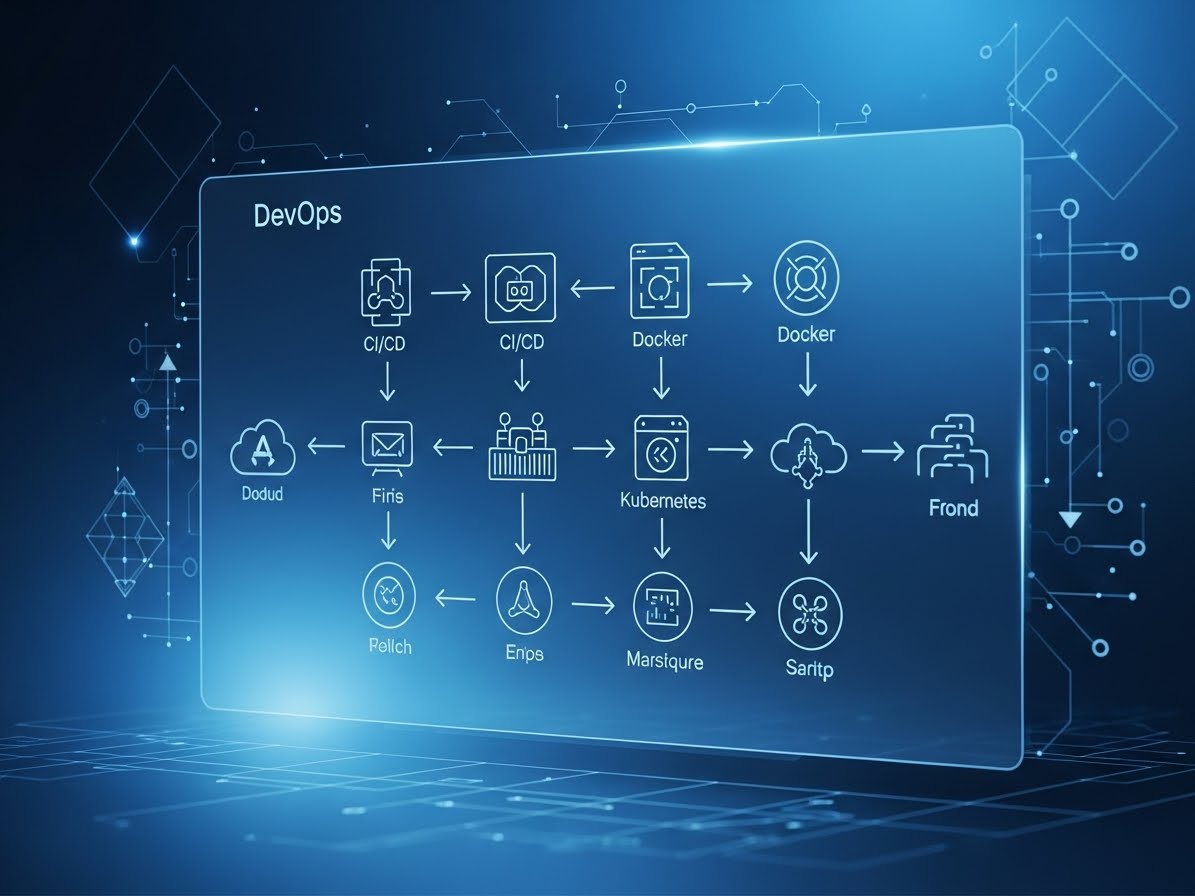
DevOps and Infrastructure
With a full-stack DevOps approach I run development and deployment as one stream rather than two separate ones. That means a release goes out planned, repeatable and reversible.
Who this is for
This is for teams who release by hand and at risk, are unsure their backups can be restored, or whose infrastructure depends on the knowledge of one person. The aim is to make release day an ordinary day.
What I do
- Deploying applications and managing releases
- Infrastructure setup and maintenance
- Backup, monitoring and continuity planning
- Security review of the development and release process
I plan infrastructure work in light of my information-security training (ISO 27001 lead auditor, cybersecurity and ethical-hacker courses). Every change is tried in a test environment first.
How I manage work in this area
Release day should hold no surprises. The way there is to keep changes small, write the way back in advance and make responsibilities clear.
Steps
- Current-state inventory: servers, services, backups and access rights are listed.
- Target setup and risk list: continuity and security risks are written with owners.
- Trial in a test environment: infrastructure changes are applied in test first.
- Planned release: shipped with a downtime window, a change record and a rollback plan.
- Monitoring and backup verification: monitoring is watched and backups are regularly checked for restorability.
Deliverables
- Infrastructure and access inventory
- Change log and release calendar
- Rollback plan
- Backup and monitoring routine document
Methods and tools
Owners and the downtime window are written before each release. Security review happens inside the development process, not at the end. Short written summaries are kept after outages, releases and incidents; recurring problems show up in these records and are tied to lasting fixes.
Common risks and how I handle them
- Unplanned downtime: The downtime window and a communication plan are written before release.
- Irreversible changes: Rollback steps are ready for every change and tried in test.
- Unverified backups: Backups are regularly tested for restorability.
Acceptance criteria
- A release can be performed from a repeatable step list.
- The rollback plan has been tried.
- Monitoring alerts and a backup restore test are working.
- The access inventory is current and follows least privilege.
What I will ask you before we start
- How is a release done today, and by whom?
- What downtime is acceptable?
- Where are backups and when were they last restored?
- Are there compliance or security expectations (such as ISO 27001)?
Communication rhythm
A change calendar is shared; a short check before each release and a short summary afterwards.
Why it matters for leading AI teams
AI workloads — model serving, data pipelines, vector databases — need extra continuity and access control in the infrastructure. Knowing the DevOps side lets me put cost and continuity questions on the table early in AI projects.
Frequently asked
Cloud or self-hosted?
I compare the options on cost, continuity and data-location requirements and give a reasoned recommendation.
Do you also run security scans?
I do a security review as part of the process; if a detailed penetration test is needed we scope it separately.
To get started: describe your goal in two or three sentences via Contact or on WhatsApp (+90 531 679 10 14). For my overall method see Project Management, for my working rhythm How I Work, and for other areas Services. I work remotely, including across time zones — see the FAQ.