Mobile App Development
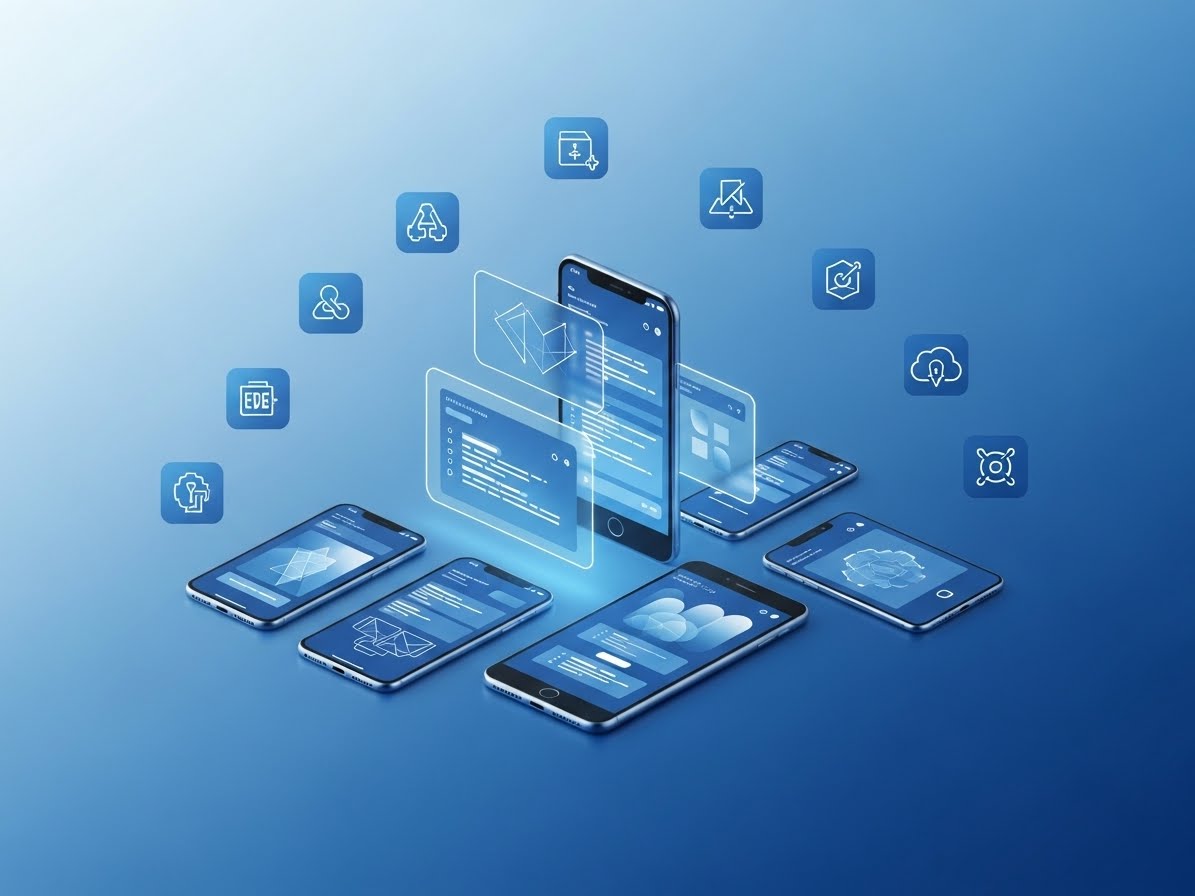
Mobile App Development
I have taken more than 10 mobile apps from idea to release. I can build with a single codebase or natively, and I set the app up together with its backend and data layer.
Who this is for
This is for people turning an idea into a mobile app, for teams adding a mobile face to an existing web system, and for those who want guidance through the store release process. I prefer to start with a small working version and grow it as needs become clear.
What I do
- Cross-platform apps with Flutter and React Native
- Platform-specific work in Java (Android) and Swift (iOS)
- Data and authentication integration with Firebase or your own APIs
- App architecture that fits your website or admin panel
Main tools: Flutter, React Native, Java, Swift and Firebase; Node.js on the backend side.
How I manage work in this area
In mobile, development alone does not set the calendar: store review, release management and the backend team's deliveries are all part of the job. I pull them into a single plan.
Steps
- Scope and platform decision: cross-platform or native, written down with the reasoning.
- Screen flow and sign-off: user flows and core screens are approved.
- Sprint-based development: a testable build is shared at the end of each sprint.
- Testing and store preparation: device tests, release notes and store requirements go on the calendar.
- Release and after: release management, bug tracking and an update routine are set up.
Deliverables
- Screen flow and scope list
- A testable build for every sprint
- Store release checklist
- Source-code handover, release and maintenance notes
Methods and tools
Agile (Scrum) practice: short sprints, a prioritized backlog and a demo at the end of each sprint. Priorities are updated together at sprint end; new requests are decided with their impact on schedule and budget stated. After each release a short feedback round is held.
Common risks and how I handle them
- Store review delays: Review time is added to the schedule as a buffer and requirements are checked early.
- Cross-platform inconsistency: Shared acceptance criteria are verified on both platforms with the same test list.
- Dependence on backend deliveries: Backend and mobile deliveries are tracked in a single plan.
Acceptance criteria
- Core flows have been tested on target devices and OS versions.
- Authentication, data sync and error states have been checked.
- Store requirements (privacy text, screenshots, release notes) are ready.
- Source code and release information have been handed over to you.
What I will ask you before we start
- Who is the target user and what is the main use case?
- Which platforms are needed; is there an existing backend?
- Are your store accounts ready?
- Any special needs such as offline use, notifications or payments?
Communication rhythm
Planning at the start of a sprint, a demo at the end, short written updates in between. Test builds are given to your team at regular intervals.
Why it matters for leading AI teams
AI features are increasingly moving into mobile apps. Knowing mobile releases and store processes helps me coordinate getting AI features into the product safely and on a plan.
Frequently asked
Flutter or React Native?
The decision depends on team skills, the native features needed and maintenance cost; the reasoning is recorded in writing.
Do you publish the app to the stores?
The store account stays with you; I run the release process with you, using a checklist.
To get started: describe your goal in two or three sentences via Contact or on WhatsApp (+90 531 679 10 14). For my overall method see Project Management, for my working rhythm How I Work, and for other areas Services. I work remotely, including across time zones — see the FAQ.