Web Development
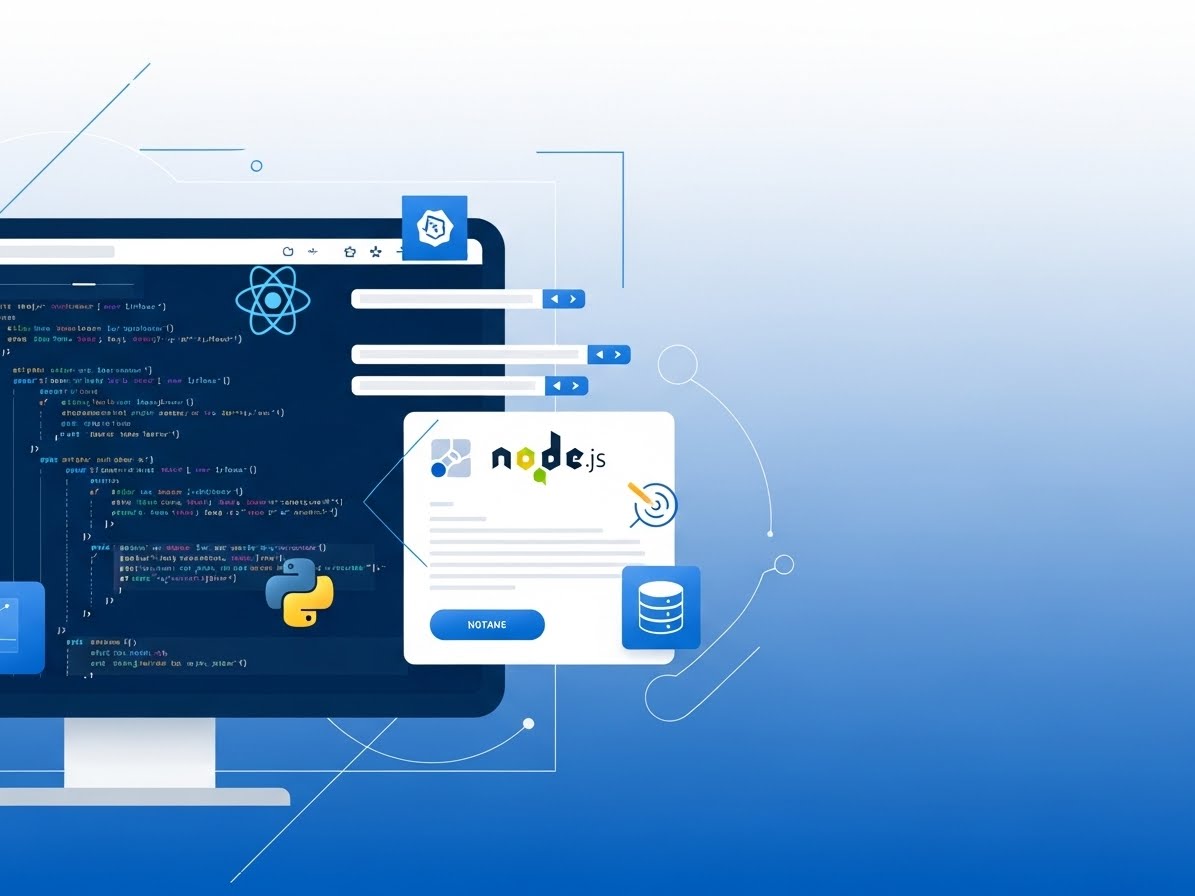
Web Development
Since 2014 I have built more than 200 corporate websites. I run the process from design to launch myself and build sites that are fast, accessible and search-friendly.
Who this is for
This is for businesses that need a corporate site, a portal or an admin panel, and for teams who want a single point of contact and control over the content and approval calendar. From a small presentation site to an integrated portal, we set the scope together.
What I do
- Corporate website design and development
- Frontend interface development (HTML, CSS, JavaScript)
- Node.js and ASP backends and admin panels
- Database connections, APIs and third-party integrations
- Launch, maintenance and security updates
Main technologies: HTML, CSS, JavaScript, Node.js, ASP; on the data side MongoDB, Redis, T-SQL and Firebase. My graphic design background (Adobe Photoshop, Illustrator, XD) lets me handle visual identity and interface together.
How I manage work in this area
In web projects the most frequent problem is rarely technical; it is content and approval expectations: copy does not arrive, approvals slip, the schedule drifts. I set up the process so those expectations go on the calendar from day one.
Steps
- Discovery: goals, audience, the existing site and a content inventory.
- Structure and design sign-off: page structure and interface drafts go for approval; approval points are written into the schedule.
- Development: pages ship in stages, with a working version shown at each stage.
- Testing: across devices and browsers, with a checklist for speed, accessibility and SEO.
- Launch and maintenance: a routine for deployment, backups and security updates.
Deliverables
- Page structure and content calendar
- Approved design and a working site
- Test and acceptance checklist
- Usage guide and maintenance plan
Methods and tools
Scope changes are taken in writing and presented for approval with their effect on the schedule. SEO and accessibility checks are part of the acceptance criteria, so the site does not just go live — it can be found.
Common risks and how I handle them
- Content delays: Content delivery dates go on the calendar and the impact of delays is discussed up front.
- Long approval cycles: Approval points and owners are fixed in advance.
- Speed and accessibility issues: The checklist is part of acceptance and is run before launch.
Acceptance criteria
- Pages render correctly on desktop and mobile in the targeted browsers.
- The speed, accessibility and basic SEO checklist has been passed.
- Forms and integrations have been tested.
- The admin panel or content-update path has been shown to you.
What I will ask you before we start
- What is the site's primary goal (presentation, applications, sales)?
- Is there an existing site, domain and content?
- Who will provide content, and when?
- Are there systems to integrate (forms, CRM, payments)?
Communication rhythm
A short weekly status note and a demo of the working version at the end of each stage. I use messaging for quick questions and e-mail for decisions that need a record.
Why it matters for leading AI teams
Most large AI programs also have a web or portal face. My development experience in this area helps me spot the contracts between front end and back end — APIs, data formats, error behavior — early in AI teams.
Frequently asked
Will redesigning an existing site lose SEO?
I map old and new addresses during discovery and put redirects into the launch plan.
Do you provide maintenance after launch?
The maintenance scope is planned together before handover; updates and security steps follow that plan.
To get started: describe your goal in two or three sentences via Contact or on WhatsApp (+90 531 679 10 14). For my overall method see Project Management, for my working rhythm How I Work, and for other areas Services. I work remotely, including across time zones — see the FAQ.